
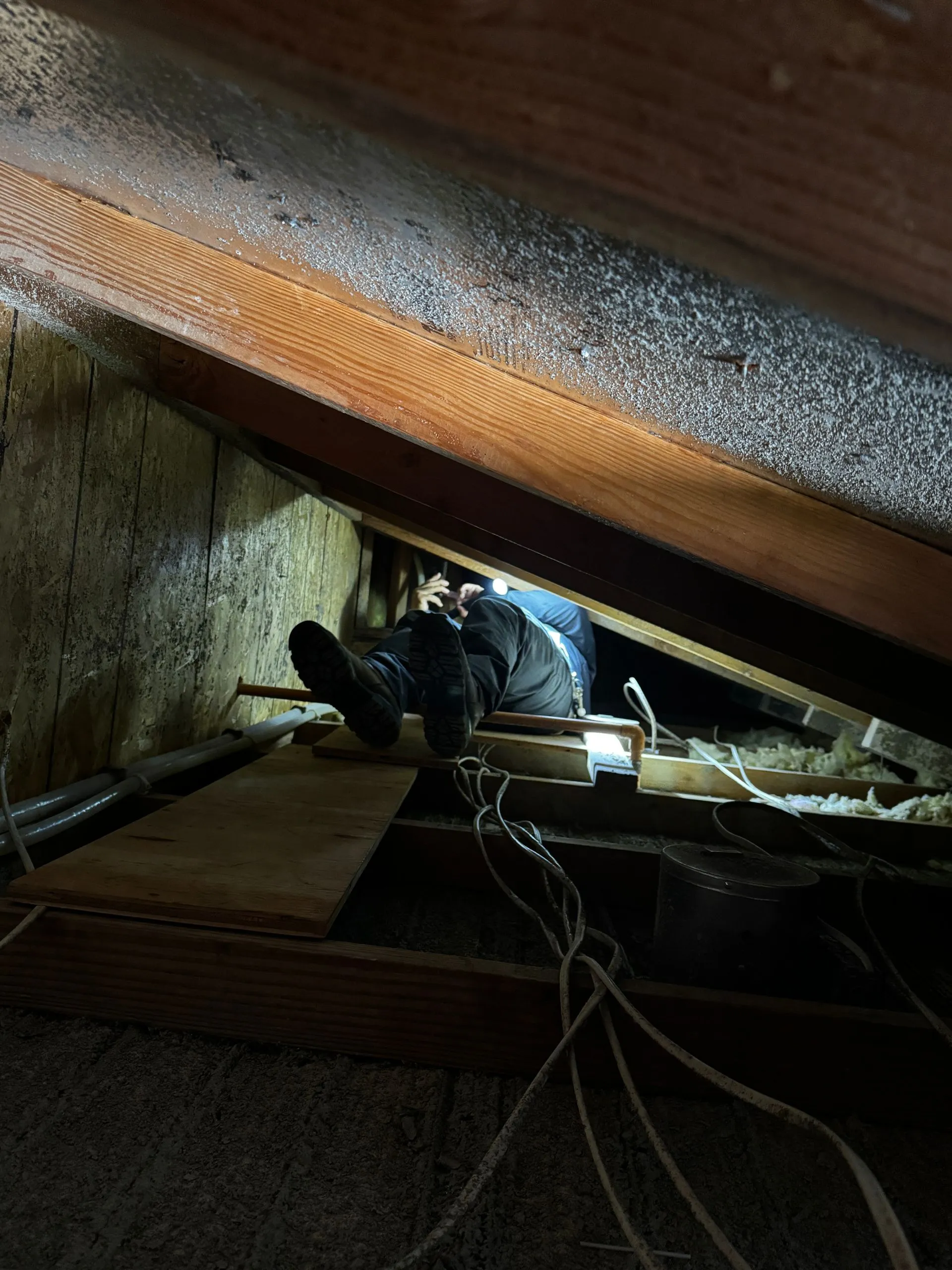
Hearing scratching in the attic at night? Finding droppings in the garage? Maybe you’ve even spotted a rat running along the fence or roofline.
First: don’t panic.
Rodent activity is common throughout San Diego County, and seeing signs of rats doesn’t automatically mean you have a severe infestation. But it does mean it’s worth figuring out how they’re getting onto, or into your property.
Traps can remove the rats currently inside your home but they can’t stop the next rat from getting in.
That’s why successful rodent control usually comes down to three things:
Identify the activity. Remove the rodents. Seal the entry points.
Here’s where to start:
Signs You May Have Rats in Your Home
You don’t necessarily have to see a rat to know they’re around.
Common signs of rodent activity include:
- Scratching or movement inside walls or ceilings, especially at night
- Rodent droppings in garages, attics, cabinets, or storage areas
- Gnaw marks on food packaging, wood, wiring, or other materials
- Greasy rub marks along frequently traveled areas
- Nesting material such as shredded paper or insulation
- Unusual odors coming from walls, attics, or enclosed spaces
- Pets suddenly becoming interested in a particular wall, cabinet, or ceiling
- Fruit, pet food, birdseed, or other food being disturbed
One sign doesn’t always tell you the severity of the problem.
That’s where an inspection becomes important.
What Should You Do First?
If you suspect rats are inside your home, start by looking for evidence rather than immediately throwing traps everywhere.
Try to determine:
- Where are you seeing or hearing activity?
- Where could rodents be entering?
- What food, water, or shelter is available to them?
Check garages, attics, utility penetrations, storage areas, rooflines, exterior vents, and areas where plumbing or electrical lines enter the structure.
If you find an obvious gap, resist the temptation to immediately seal everything without understanding the situation.
If rodents are already inside, improperly sealing an active entry point can potentially trap them inside the structure.
The goal is not simply to close holes; it’s to determine how the rodents are moving through the property and eliminate the problem in the right order.
Can You Handle a Rat Problem Yourself?
Sometimes.
If you have occasional rodent activity in a garage or another accessible area and can clearly identify what’s happening, properly placed traps may be enough to remove the animal.
DIY rodent control becomes much more difficult when:
- You’re hearing activity inside walls or ceilings
- Rats are entering the attic
- You can’t identify the entry point
- Droppings continue appearing after trapping
- Multiple rodents are being caught
- Activity returns repeatedly
- Entry points are located on the roof or other difficult-to-access areas
That’s usually the point where a professional inspection becomes worthwhile.
A good rodent inspection shouldn’t just answer “Where should we put traps?”
It should answer: “How are they getting inside?”
Why Traps Alone Usually Don’t Solve a Rodent Problem
Let’s say a rat finds a gap along your roofline and enters the attic.
You place a trap.
You catch the rat.
Problem solved?
Not necessarily.
The opening that allowed that rat inside is still there.
Another rat can potentially use the exact same entry point tomorrow, next week, or months from now.
This is why some homeowners get stuck in a frustrating cycle:
Hear rat → set traps → catch rat → activity stops → rats return → repeat.
Trapping addresses the animal.
Exclusion addresses the building.
For long-term rodent control, you usually need both.

What Is Rodent Exclusion?
Rodent exclusion is the process of identifying and physically sealing areas rodents can use to enter a structure.
Depending on the home, exclusion work may involve:
- Sealing gaps around rooflines
- Securing damaged or vulnerable vents
- Closing openings around plumbing and utility penetrations
- Repairing gaps where different building materials meet
- Reinforcing potential entry points
- Correcting openings around garages or exterior structures
The exact solution depends on how the home was constructed, and in San Diego County, we see several recurring problem areas.
Common Rat Entry Points in San Diego County Homes
Southern California construction and landscaping can create some very convenient pathways for rodents.
Stucco Gaps
Small construction gaps can develop where stucco meets rooflines, foundations, utility penetrations, or other building materials.
To a homeowner, the opening may look insignificant
To a rat looking for shelter, it may be an opportunity.

Roof Tiles
Tile roofs are extremely common throughout San Diego County.
The roof itself isn’t necessarily the problem. The vulnerable areas are often around transitions, roof edges, vents, damaged components, or gaps beneath and around the roofing system that provide access deeper into the structure.
This is one reason a proper rodent inspection often requires looking beyond ground level.

Vegetation Touching the Home
Trees, vines, shrubs, and other landscaping can provide rodents with pathways toward roofs and upper portions of a structure.
Roof rats are excellent climbers.
A tree branch touching the roof can essentially become a bridge.
Garages and Utility Areas
Garage doors, utility penetrations, side doors, and gaps around pipes or cables are also common areas to inspect.
Garages frequently provide rodents with exactly what they’re looking for: shelter, warmth, storage materials, pet food, birdseed, or other potential food sources.
Canyon-Adjacent and Open-Space Properties
Homes near canyons, hillsides, greenbelts, and open spaces can experience significant natural rodent pressure.
If you live near one of these environments, completely eliminating rodents from the surrounding area isn’t realistic.
The objective is different:
Keep them from turning your house into theirs.
That makes exclusion and exterior prevention especially important.
Trapping + Exclusion: The Better Approach
When rodents have entered a home, an effective strategy generally involves several steps.
1. Inspect
Determine where rodents are active and identify potential entry points.
2. Remove
Use appropriate trapping or other control methods to remove rodents currently inside the structure.
3. Exclude
Seal confirmed and vulnerable entry points so new rodents can’t simply replace the ones that were removed.
4. Monitor
Continue monitoring the property to make sure activity has stopped and identify any overlooked pathways.
This approach focuses on solving the underlying problem instead of repeatedly treating the symptom.
What About Rats Outside?
Seeing a rat outside doesn’t necessarily mean rats are living inside your home.
San Diego County has plenty of environments capable of supporting rodent populations.
Fruit trees, dense vegetation, bird feeders, outdoor pet food, trash areas, sheds, wood piles, and nearby open spaces can all contribute to rodent activity around a property.
Exterior rodent management may include reducing food and water sources, trimming vegetation away from the structure, improving sanitation, and strategically monitoring activity.
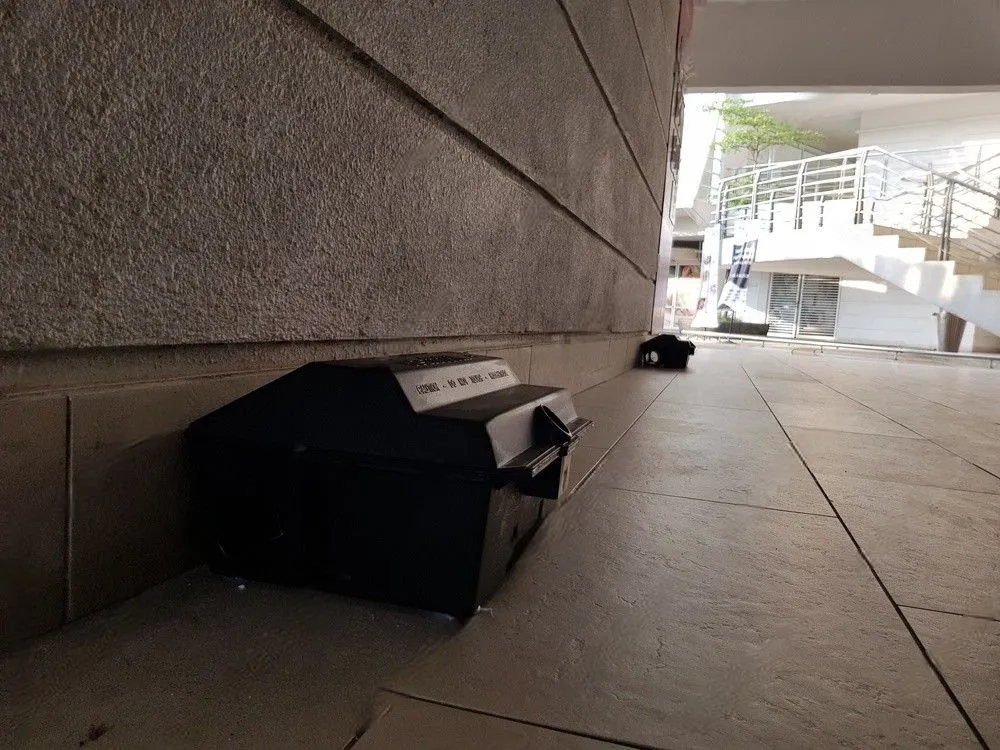
The important distinction is understanding whether you’re dealing with rodents around the property or rodents entering the structure.
Those aren’t always the same problem, and they shouldn’t automatically receive the same treatment.
Don’t Wait for a Small Problem to Become a Big One
If you’re hearing scratching, finding droppings, or repeatedly seeing rodents around your home, the best next step isn’t necessarily buying more traps.
It’s figuring out why the activity is happening in the first place.
At Pest Daddy, our rodent inspections focus on identifying activity, potential entry points, and the conditions contributing to the problem. From there, we can recommend whether trapping, exclusion, exterior monitoring, or a combination of approaches makes sense for your property.
Schedule a Free Rodent Inspection
If you suspect rats are getting into your home, we’ll help you determine where they’re coming from and what it will actually take to solve the problem.
Pest Daddy provides free rodent inspections throughout San Diego County, with no pressure and no long-term contracts.
Don’t just catch the rat. Find out how it got in.
Need help with a pest problem?
Pest Daddy provides fast, reliable pest control services in Escondido and throughout North County San Diego.
Contact us today to schedule your service and keep your property protected.